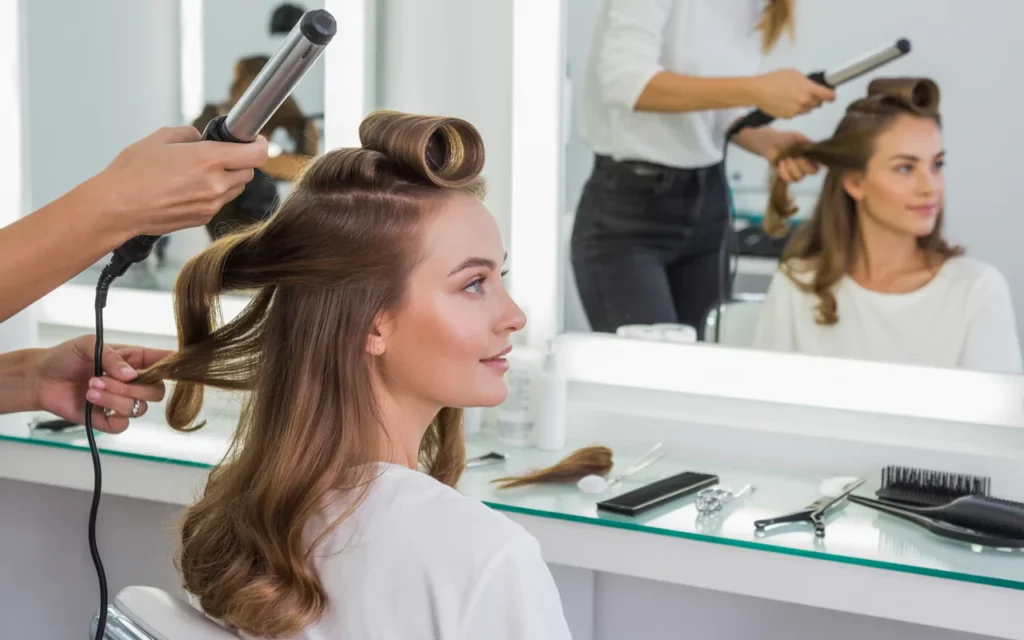
Learn exactly how to style a hair with simple steps. This guide covers tools, products, daily routines, and easy techniques for any hair type.
Styling your hair does not need to be hard. Many people think you need a salon visit or expensive products to get good results. But that is not true. With a few basic steps and some patience, you can learn how to style a hair at home and feel confident every day.
Your hair is part of your identity. How you style it changes how you feel. A good hair day can lift your mood. A bad one can make you hide your smile. So let me help you understand the simple way to get consistent, lovely results. I have worked with all hair types for years, and I will share what actually works.
“Style is a way to say who you are without having to speak.” – Rachel Zoe
This quote stays with me because hair is part of that style. You do not need complex tools or strange tricks. You need clear steps and honest advice. Let us begin.
Table 1: Quick Check Before You Style a Hair
| What to Check | Why It Matters |
|---|---|
| Hair cleanliness | Oily or dirty hair does not hold style well |
| Hair dryness level | Damp hair styles differently than dry hair |
| Tool temperature | Too hot damages; too low does nothing |
| Product amount | Too much product weighs hair down |
| Time available | Rushing leads to poor results |
How to Style a Hair for Different Hair Types
Not all hair acts the same. Your friend with straight hair can finish in five minutes. You with curls may need twenty. That is fine. The key to how to style a hair is knowing your own hair first.
Straight Hair Styling
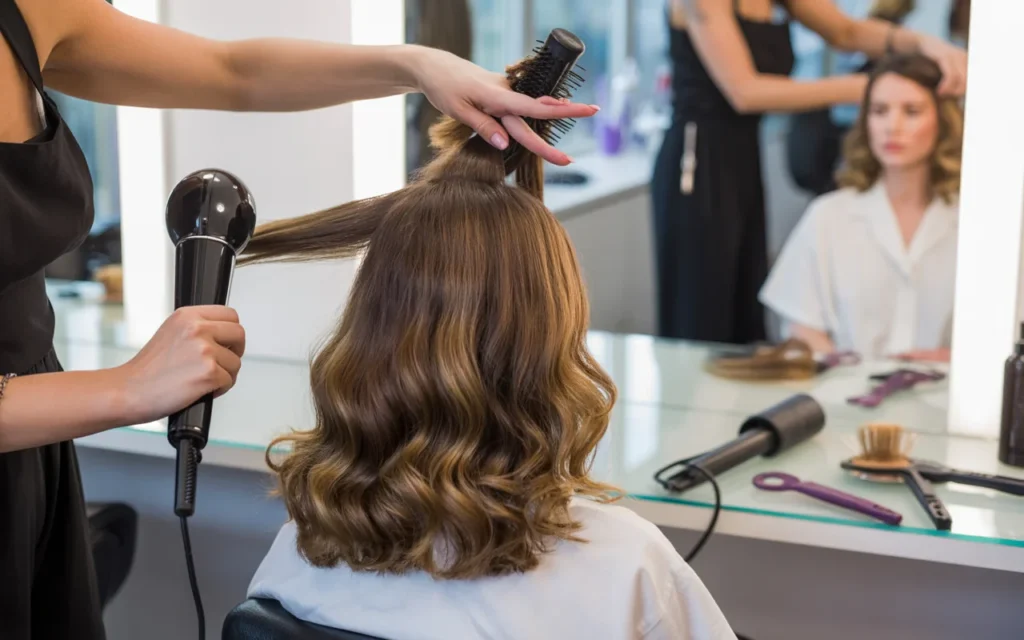
Straight hair looks smooth but can fall flat quickly. To add volume, start with clean, slightly damp hair. Use a lightweight mousse at the roots. Blow dry upside down. This lifts the hair away from your scalp. Then use a round brush while drying the mid-lengths and ends. Finish with a cool shot of air from your dryer to lock the shape.
For a sleek look, use a flat iron on low heat. Pass it once per section. Do not go over the same spot many times. That causes breakage.
Wavy Hair Styling
Wavy hair can be unpredictable. Some days it curls nicely. Other days it looks messy. To style a hair with waves, use a sea salt spray on damp hair. Scrunch the hair upward with your hands. Let it air dry or use a diffuser on low heat. Do not brush dry waves. That creates frizz. Instead, use your fingers to separate waves gently.
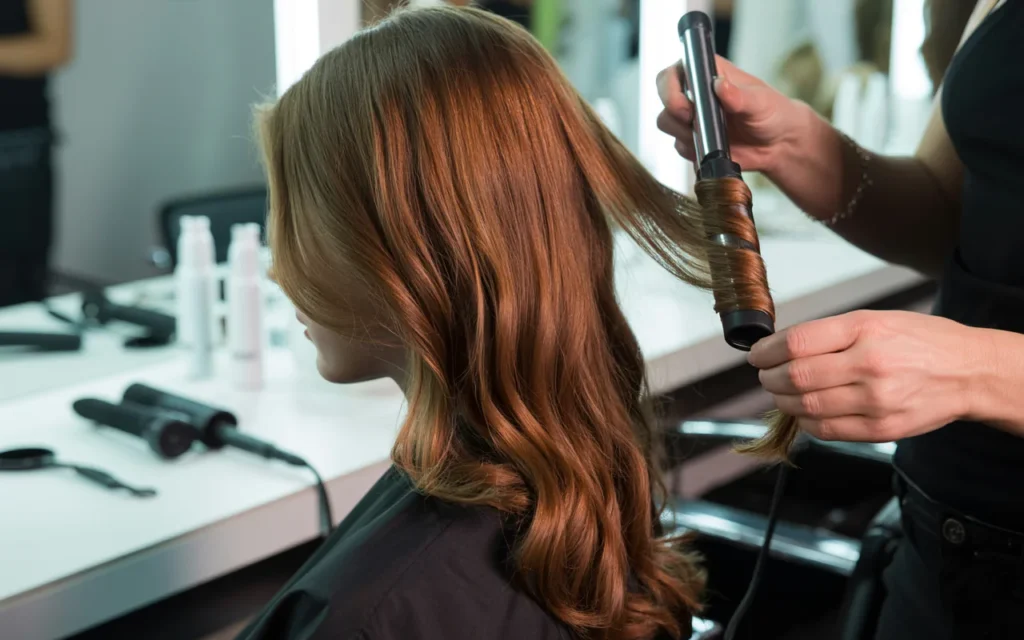
If you want more defined waves, twist small sections around a curling wand. Hold for five seconds. Release and let the wave cool in your palm.
Curly Hair Styling
Curly hair needs moisture. Before you style a hair with curls, apply a leave-in conditioner. Then use a curl cream or gel. Section your hair into four parts. Work product through each section with your fingers or a wide-tooth comb. Then scrunch from the ends up to the roots. Dry with a diffuser or air dry. Do not touch the curls while they dry. Touching causes frizz.
Once dry, you can break the cast (the hard layer from gel) by scrunching again with a drop of oil on your hands.
Coily Hair Styling
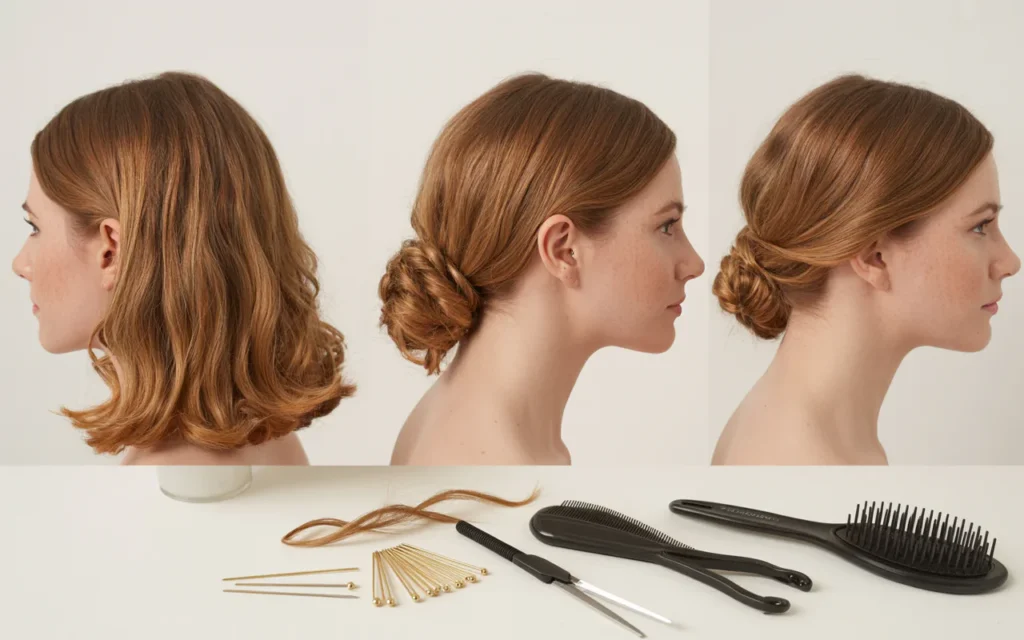
Coily hair is fragile. It needs gentle care. To style a hair that is coily or kinky, start with soaking wet hair. Apply a butter or heavy cream. Use the shingling method: take small sections and smooth product from root to tip. Define each coil with your fingers. Then let it air dry or sit under a hooded dryer. Do not use high heat directly. Coily hair breaks easily when dry.
“Your hair is the crown you never take off.” – Unknown
I love this saying because it reminds us to treat our hair with respect. Every type deserves good care.
Essential Tools to Style a Hair Correctly
You do not need fifty tools. You need five good ones. Here is what I recommend for anyone learning how to style a hair at home.
Brushes and Combs
- Wide-tooth comb: For wet hair only. Prevents breakage.
- Paddle brush: For detangling dry straight or wavy hair.
- Round brush: For blow drying and adding volume.
- Boar bristle brush: For distributing natural oils and smoothing.
Heat Tools
- Hair dryer with nozzle and diffuser: The nozzle directs air. The diffuser is for curls and waves.
- Flat iron with adjustable heat: Use lower heat for fine hair, higher for thick hair.
- Curling wand (tapered or straight): Gives you different curl sizes.
Accessories
- Sectioning clips: These keep hair out of the way.
- Silk or satin scrunchies: These do not pull or break hair.
- Heat protectant spray: This is not optional. Use it every time.
Table 2: Heat Settings by Hair Type
| Hair Type | Safe Heat Range (Flat Iron) | Safe Heat Range (Curling Wand) |
|---|---|---|
| Fine or damaged | 250°F – 300°F | 200°F – 250°F |
| Medium or normal | 300°F – 350°F | 250°F – 300°F |
| Thick or coarse | 350°F – 400°F | 300°F – 350°F |
| Curly or coily | 300°F – 350°F (with care) | 250°F – 300°F |
Step-by-Step Routine to Style a Hair Daily
Let me give you a simple morning routine. This works for most hair types. You can adjust based on your needs.
Step 1: Start with clean or refreshed hair. If you washed your hair the night before, spritz it with water to make it damp again. If your hair is oily, use dry shampoo at the roots before you start.
Step 2: Apply a heat protectant. Spray it evenly. Comb through. This is the most important step if you use any heat.
Step 3: Detangle gently. Use a wide-tooth comb on damp hair. Start from the ends and work up. Never rip through knots.
Step 4: Add a styling product. Choose one product based on your goal. Mousse for volume. Cream for softness. Gel for hold. Use a small amount first. You can always add more.
Step 5: Dry or air dry. If air drying, let your hair sit without touching it. If blow drying, use medium heat and keep the dryer moving. Point the nozzle downward to close the hair cuticle. This adds shine.
Step 6: Use heat tools if needed. Flat iron or curl wand only on fully dry hair. Work in small sections. One pass only.
Step 7: Finish and set. Use a light hairspray or a drop of serum on your ends. Do not spray too close to your scalp.
“Hair is everything. It is the difference between a good day and a bad day.” – Anonymous
I truly believe this. When you know how to style a hair properly, you control your day more than you think.
Common Mistakes When You Style a Hair
Even people with experience make these errors. Avoid them for better results.
Using Too Much Product
Many people think more product gives more hold. Wrong. Too much product makes hair sticky, heavy, and dull. Start with a pea-sized amount. Add only if needed.
Skipping Heat Protectant
I see this often. Someone uses a flat iron on bare hair. That cooks the moisture out. Over time, hair becomes brittle and splits. Heat protectant is cheap. Hair repair is not.
Styling Hair When It Is Too Wet or Too Dry
Wet hair stretches and breaks. Dry hair does not mold into shape. The best time to style a hair is when it is about 80% dry for blow drying, or completely dry for flat ironing.
Holding Heat Tools Too Long
Three seconds is enough per section. Holding a curling iron for ten seconds does not give better curls. It gives burnt hair.
Brushing Curly Hair Dry
Curly hair should only be brushed when wet and full of conditioner. Dry brushing breaks the curl pattern and creates poofy, undefined hair.
Products That Help You Style a Hair Easily
You do not need a shelf full of bottles. Here are the categories you actually need.
Heat protectant: Spray or serum. Use every time you apply heat.
Mousse: Good for volume and light hold. Works on damp hair.
Gel: Strong hold. Best for curls and defined styles.
Cream: Soft hold with moisture. Great for thick or coarse hair.
Hairspray: Use at the end for keeping the shape. Flexible hold is better than hard hold for most days.
Dry shampoo: Absorbs oil. Adds grip. Use on day two or three hair.
Serum or oil: A drop on the ends adds shine. Do not put on roots.
How to Style a Hair Without Heat
Heat is useful, but you can also get great looks without it. This is especially good for damaged or fine hair.
Heatless curls: Wrap damp sections of hair around a soft robe tie or a silk roller. Leave for a few hours or overnight. Remove and separate with fingers.
Air drying with product: Apply a curl cream or mousse to wet hair. Scrunch. Let air dry without touching. The result is natural and soft.
Overnight braids: Braid damp hair before bed. In the morning, undo the braids. You get waves without any heat.
Twist out: For curly or coily hair, twist small sections of damp hair with gel. Let dry. Untwist for defined curls.
These methods take longer but save your hair from damage. Learning how to style a hair without heat is a useful skill for healthy hair.
Nighttime Prep to Make Morning Styling Faster
What you do at night affects how easy it is to style a hair in the morning. Here is a simple evening routine.
Step 1: Brush or comb your hair gently before bed. Remove tangles.
Step 2: If your hair is long, put it in a loose bun or braid. This prevents rubbing and tangling while you sleep.
Step 3: Use a silk or satin pillowcase. Cotton pulls moisture from your hair and causes friction. Silk lets your hair glide.
Step 4: If you have curls or coils, wear a silk bonnet. This keeps your style intact for the next day.
Step 5: In the morning, refresh with a spray bottle of water mixed with a little conditioner. Shake well. Lightly mist your hair and reshape with your fingers.
This night prep can cut your morning styling time in half.
Frequently Asked Questions About How to Style a Hair
Q1: How often should I wash my hair before I style it?
It depends on your hair type. Oily hair needs washing every other day. Dry or curly hair can go 3 to 5 days. Washing too often strips natural oils. Washing too little causes buildup. Find your balance.
Q2: Can I style a hair that is very thin or thinning?
Yes. Use volumizing mousse at the roots. Blow dry upside down. Avoid heavy creams or oils. Use a light hairspray. Do not use high heat. Teasing or backcombing damages thin hair more, so avoid that.
Q3: What is the best order to apply products when I style a hair?
First, heat protectant. Second, your main styler (mousse, cream, or gel). Third, any finishing product like serum or hairspray. Do not mix oil with gel. Oil breaks down the gel hold.
Q4: How do I fix a bad hair day quickly?
Wet your hands and smooth down flyaways. Flip your head over and shake. Use dry shampoo at the roots. Put hair in a low ponytail or a claw clip. Sometimes simple is better than fighting your hair.
Q5: Is it bad to style a hair every single day?
It depends on the method. Heat styling every day damages hair over time. But air drying or heatless styling is fine. Give your hair breaks from heat when you can. Use protective styles like braids or buns on some days.
Q6: How long should a styled hair last?
With good products and night protection, a blowout can last 3 to 4 days. Curls can last 2 to 3 days. Heatless curls last 1 to 2 days. Touch up with a little water or dry shampoo as needed.
Conclusion
Learning how to style a hair is not about perfection. It is about finding what works for your life, your hair type, and your schedule. You do not need expensive tools or a long list of products. You need a few reliable steps, some patience, and the willingness to practice.
Start small. Pick one technique from this guide and try it for a week. See how your hair responds. Adjust as you go. Remember that your hair changes with weather, hormones, and age. What worked last year may need a small change today.
Be kind to your hair. Do not rip through tangles. Do not skip heat protectant. Do not compare your hair to someone with a completely different texture. Your hair is yours. When you learn to style it with care and confidence, you will feel that difference every time you look in the mirror.
So go ahead. Pick up your brush, your dryer, or your curl cream. You now know exactly how to style a hair the right way. Enjoy your good hair days. You deserve every single one.